Memories and Monuments: Karachi's Architectural Legacy

Karachi, the bustling metropolis of Pakistan, is a city that tells a story through its architecture. From colonial-era buildings to modern skyscrapers, the architectural landscape of Karachi is a reflection of its rich history and cultural diversity. This blog post explores the architectural legacy of Karachi, highlighting its most significant monuments and the memories they evoke.
The Historical Context of Karachi's Architecture
Karachi's architectural journey began in the 19th century when it was a small fishing village. As it grew into a major port city, various architectural styles began to emerge, influenced by the British colonial period, local traditions, and the influx of diverse communities.
Colonial Influence
The British colonial era left a profound impact on Karachi's architecture. Buildings constructed during this time often feature grand facades, intricate detailing, and a blend of Gothic and Indo-Saracenic styles. Notable examples include:
Frere Hall: Built in 1865, this stunning structure is a prime example of Gothic Revival architecture. It served as a town hall and now houses a library and art gallery.
The Sindh High Court: Completed in 1932, this building showcases a blend of Islamic and European architectural styles, symbolizing the cultural fusion that characterizes Karachi.


Post-Independence Developments
After Pakistan gained independence in 1947, Karachi experienced rapid urbanization. The architectural landscape began to shift towards modernism, with the construction of high-rise buildings and residential complexes. This period saw the emergence of:
The Pakistan Maritime Museum: Opened in 1999, this museum features contemporary architecture and serves as a tribute to the naval history of Pakistan.
Mazar-e-Quaid: The mausoleum of Muhammad Ali Jinnah, the founder of Pakistan, is an iconic structure completed in 1970. Its white marble exterior and unique design make it a significant landmark.
Iconic Monuments of Karachi
Karachi is home to several iconic monuments that not only represent its architectural heritage but also serve as cultural symbols. Here are a few that stand out:
Quaid-e-Azam's Mausoleum

The mausoleum of Muhammad Ali Jinnah is a must-visit for anyone exploring Karachi. Its striking white marble structure is surrounded by beautifully landscaped gardens, making it a serene place for reflection. The mausoleum is not just a resting place; it embodies the spirit of the nation and serves as a reminder of Jinnah's vision for Pakistan.
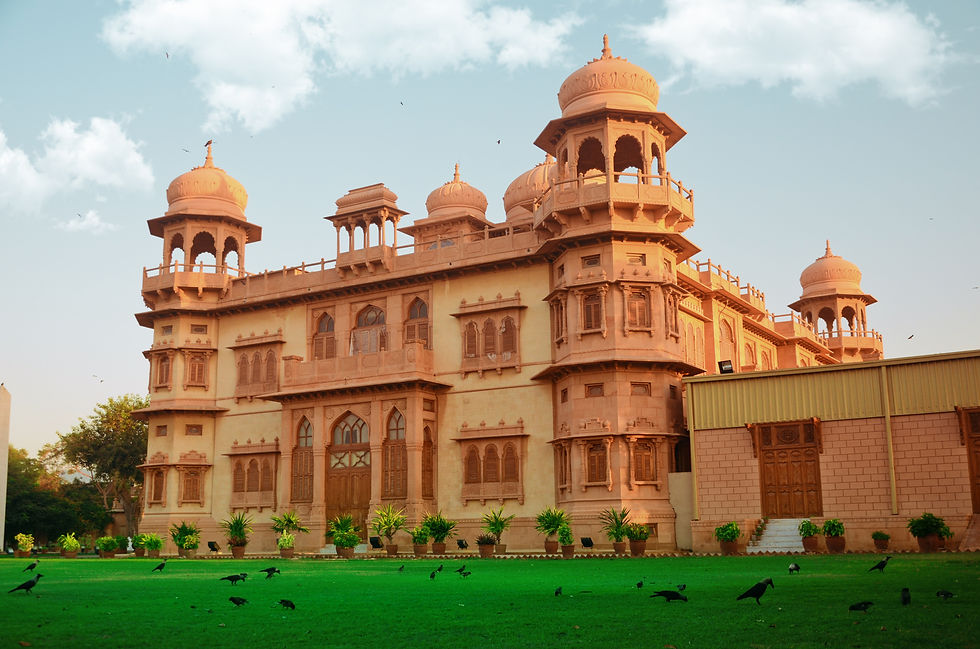
Mohatta Palace
Constructed in 1927, Mohatta Palace is a stunning example of Indo-Saracenic architecture. Originally built as a summer residence for a wealthy businessman, it now serves as a museum showcasing the cultural heritage of Sindh. The palace's intricate design and vibrant colors make it a popular spot for both locals and tourists.
The Empress Market
Built in the late 19th century, Empress Market is a bustling marketplace that reflects the city's colonial past. The building features a mix of Gothic and Indo-Islamic architectural styles, with its iconic clock tower being a prominent feature. The market is not only a shopping destination but also a historical landmark that tells the story of Karachi's commercial evolution.

The Modern Architectural Landscape
As Karachi continues to grow, its skyline is evolving with modern architectural marvels. The city is witnessing a blend of contemporary designs that cater to the needs of its expanding population.
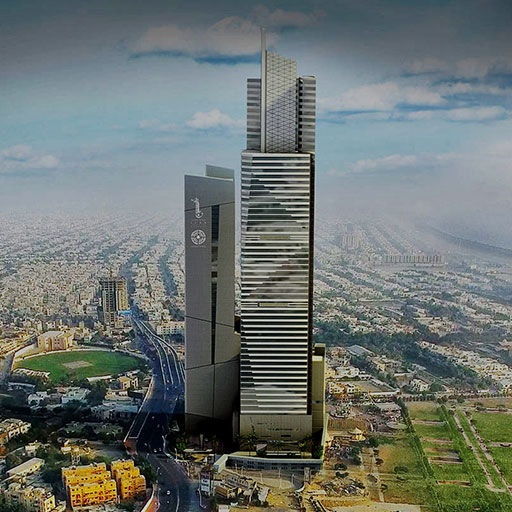
The Bahria Icon Tower
Standing tall at 62 stories, the Bahria Icon Tower is the tallest building in Pakistan. Completed in 2016, its sleek design and state-of-the-art facilities make it a symbol of modern Karachi. The tower houses luxury apartments, offices, and a hotel, showcasing the city's ambition to embrace modernity while preserving its heritage.
The Karachi Waterfront
The Karachi Waterfront project aims to transform the city's coastline into a vibrant urban space. With plans for parks, recreational areas, and commercial hubs, this initiative reflects the city's commitment to sustainable development. The waterfront will not only enhance the city's aesthetic appeal but also provide a space for community engagement.

Preserving Karachi's Architectural Heritage
As Karachi continues to develop, the challenge of preserving its architectural heritage becomes increasingly important. Many historical buildings face the threat of demolition due to urbanization and neglect.
Initiatives for Preservation
Several organizations and community groups are working tirelessly to preserve Karachi's architectural legacy. Initiatives include:
Heritage Walks: Guided tours that educate residents and visitors about the city's historical buildings and their significance.
Restoration Projects: Efforts to restore and maintain dilapidated structures, ensuring they remain part of Karachi's landscape.
The Role of Local Communities
Local communities play a crucial role in preserving architectural heritage. By advocating for the protection of historical sites and participating in restoration efforts, residents can help maintain the city's unique character. Engaging the younger generation through educational programs can also foster a sense of pride in Karachi's rich history.
Conclusion
Karachi's architectural legacy is a testament to its diverse history and cultural richness. From colonial-era buildings to modern skyscrapers, each structure tells a story that contributes to the city's identity. As Karachi continues to evolve, it is essential to strike a balance between development and preservation. By valuing and protecting its architectural heritage, Karachi can ensure that future generations will continue to cherish the memories and monuments that define this vibrant city.
As you explore Karachi, take a moment to appreciate the stories behind its buildings. Each monument is not just a structure; it is a piece of history waiting to be discovered.


Comments